Previous Article
Eligibility Criteria for Housing Society Redevelopment in Mumbai
Home
Next Article
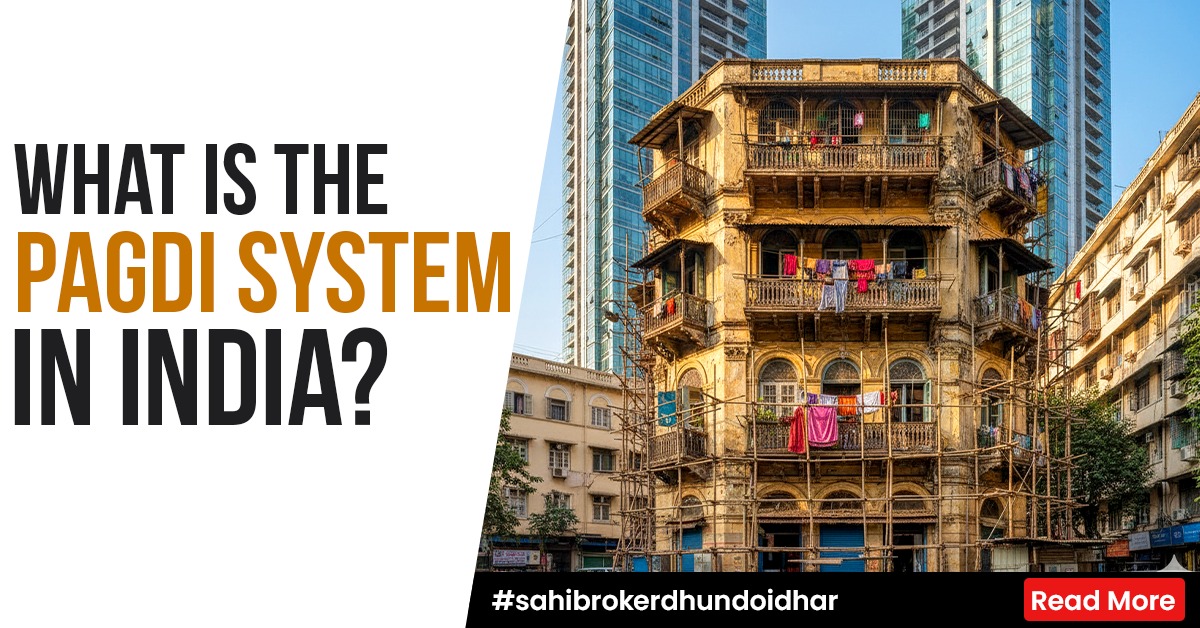
The Pagdi System is one of the most unique and historically significant tenancy models in India. Predominantly found in Mumbai and other metropolitan areas, it has evolved over decades—from informal cash-based tenancy to being partially regulated under Indian tenancy laws. With the introduction of the Model Tenancy Act, 2021, and recent redevelopment efforts in Maharashtra, major reforms are on the horizon for properties under the Pagdi model.
Let’s explore what the Pagdi system is, its key features, and the latest government updates surrounding its redevelopment and legal recognition.
The Pagdi system (also called "Pagdi rent control") originated in the 1940s as a semi-ownership rental model. Under this system, tenants paid a significant one-time lump sum amount—referred to as “Pagdi”—to the landlord, which often equaled the property’s market value back then. In return, the tenant would enjoy long-term tenancy and pay only a nominal monthly rent.
While the landlord retained ownership of the building, tenants had partial ownership rights, including the ability to:
• Sell or sublet the premises (with the landlord’s consent),
• Pass on tenancy rights to their legal heirs,
• Share sale proceeds with the landlord when transferring tenancy.
This model created a dual-ownership structure that continued for decades, mostly governed by informal agreements and oral understandings.
Dual Ownership: Tenants are part-owners in the eyes of traditional arrangements, while landlords retain legal title.
Nominal Rent: Rent is often extremely low, as the initial pagdi amount compensated for future rents.
Resale with Consent: Tenants can resell their tenancy rights but must share a portion (often 30-50%) with the landlord.
Heritable Rights: Rights can be passed on to family members.
Transition to Formal Documentation: Post the Rent Control Act, 1999, many transactions moved from cash-based to registered sale deeds, requiring stamp duty and registration charges.
Most pagdi buildings are over 50 years old, structurally weak, and in dire need of redevelopment. However, redevelopment has remained stagnant due to unclear ownership rights, conflicting interests between tenants and landlords, and legal loopholes.
To address this, the Government of Maharashtra has proposed including pagdi buildings under redevelopment schemes through MHADA (Maharashtra Housing and Area Development Authority) and bringing them under the purview of RERA (Real Estate Regulation Authority).
1. Model Tenancy Act, 2021
The Model Tenancy Act (MTA) was introduced by the Central Government to reform India’s outdated rental laws and encourage transparency in landlord-tenant relationships.
Key Objectives of MTA 2021:
• Faster Dispute Resolution through Rental Tribunals
• Fair Rental Agreements with mandatory registration
• Balanced Protection for landlords and tenants
• Security Deposit Cap (not exceeding two months’ rent)
However, implementation has been limited. As of now, only four states have adopted the Act: Assam, Andhra Pradesh, Tamil Nadu, and Uttar Pradesh.
2. What’s Happening in Maharashtra?
Maharashtra, especially Mumbai, has the highest number of pagdi properties in India. The state government has expressed strong intent to implement the Model Tenancy Act soon—with customizations based on local conditions.
According to Housing Minister Atul Save, Maharashtra will introduce the Act while safeguarding the interests of both landlords and tenants, especially those under the Pagdi system.
3. Pagdi Properties and RERA Inclusion
• The government is working towards bringing pagdi-controlled buildings under RERA.
• MHADA may be appointed to take up redevelopment responsibilities for such structures.
• The goal is to ensure safety, legal clarity, and better living conditions for tenants living in ageing buildings.
4. Ongoing Legal Challenges
A current legal case involving the Property Owners’ Association has raised concerns that Maharashtra Rent Control Act, 1999 might be nullified once the Model Tenancy Act is fully enforced. This has created anxiety among tenants, who fear:
• Rent escalation after decades of nominal rent,
• Possible evictions, especially for older tenants,
• Loss of hereditary tenancy rights.
Hence, the government is expected to incorporate special provisions for pagdi tenants to avoid abrupt disruption in tenancies and ensure a smooth legal transition.
For tenants, these changes could mean:
• Legal recognition of tenancy rights,
• Standardized and registered agreements,
• Clear inheritance or transfer of tenancy.
For landlords, the Model Act could:
• Offer higher returns from properties stuck in low-rent agreements,
• Provide legal mechanisms for disputes and eviction under default,
• Open doors to redevelopment and monetization of old properties.
The Pagdi system, though rooted in historical necessity, is now at a legal and developmental crossroads. With the Model Tenancy Act and RERA reforms gradually shaping the rental landscape, pagdi properties in Maharashtra are set for a long-overdue transformation.
As a tenant or landlord involved in such properties, staying informed and legally prepared is crucial. The coming years could mark a significant shift in how these heritage tenancy arrangements are treated in India's fast-evolving real estate framework.
Previous Article
Home
Next Article


New Here? Create Account


