Previous Article
Developer Termination in Society Redevelopment When and How a Housing Society Can Legally Replace a Developer
Home
Next Article

Introduction
For decades, Kurla was primarily known as one of Mumbai's busiest transit hubs—a place that connected people rather than one they aspired to live in. Despite its strategic location, the locality often remained overshadowed by neighbouring residential and commercial destinations such as Bandra, Powai, Chembur, and BKC.
That perception is gradually changing. Today, Kurla is emerging as one of Mumbai's most closely watched real estate micro-markets. A combination of strategic location, large-scale redevelopment, expanding metro infrastructure, and its proximity to Bandra Kurla Complex (BKC) is driving renewed interest from both homebuyers and investors.
While Mumbai's established business districts continue to command premium property prices, Kurla offers a comparatively more accessible entry point into the same economic ecosystem. As infrastructure projects reshape mobility across the city, many market analysts believe Kurla is entering a new phase of long-term urban transformation.
Why Kurla Is Gaining Attention
Real estate growth is rarely driven by a single catalyst. In Kurla's case, several long-term growth drivers are coming together simultaneously. Kurla is one of Mumbai's busiest railway interchanges, connecting the Central and Harbour suburban railway lines while offering excellent road connectivity to BKC, Andheri, Powai, Lower Parel, Vikhroli, Thane, and Navi Mumbai. Its central location has always been one of its biggest strengths. What has changed over the past few years is the rapid improvement in infrastructure surrounding the locality.
Expanding metro connectivity, redevelopment activity, improved road networks, and the continued growth of nearby employment hubs are making Kurla significantly more attractive as a residential destination. Compared to neighbouring premium micro-markets, property prices in Kurla remain relatively accessible, creating what many investors consider a value-gap opportunity. As infrastructure continues to improve and redevelopment gathers pace, demand is increasingly shifting toward neighbourhoods that combine affordability with strong connectivity.
The BKC Spillover Effect
One of the biggest contributors to Kurla's evolving real estate story is its close proximity to Bandra Kurla Complex (BKC). Over the past decade, BKC has established itself as Mumbai's premier commercial district, housing multinational corporations, financial institutions, corporate headquarters, luxury hotels, and major government offices. As office space continues to expand and commercial activity grows, residential demand has naturally spilled over into neighbouring localities.
Because Kurla is located just a few kilometres from BKC, it has emerged as one of the biggest beneficiaries of this spillover. Professionals working in BKC are increasingly exploring nearby residential neighbourhoods that offer shorter commute times and comparatively lower property prices. Improved connectivity through existing road infrastructure and upcoming metro corridors is expected to strengthen this trend further. This pattern is common across global cities, where residential markets surrounding major business districts often witness sustained demand as prime commercial hubs mature and become increasingly expensive.
Emerging Real Estate Pockets in Kurla
Not every part of Kurla offers the same investment potential. Some micro-markets are benefiting primarily from redevelopment, while others are witnessing stronger rental demand due to their proximity to commercial centres and improving infrastructure.
Here are some of the most closely watched residential pockets.
1. Nehru Nagar, Kurla East
Nehru Nagar has emerged as one of Kurla's fastest-evolving residential micro-markets, driven by redevelopment and its strategic proximity to BKC.
The locality benefits from:
• Close proximity to BKC
• Excellent suburban rail connectivity
• Upcoming metro connectivity through nearby corridors
• Ongoing redevelopment activity
• Relatively accessible pricing compared to neighbouring business districts
Several redevelopment projects are gradually transforming the area's residential landscape, attracting both end-users and long-term investors.
Why Investors Are Watching It
Average Price: ₹20,000–25,000 per sq ft
Annual Price Growth: Approximately 5–13%
Growth Drivers: Redevelopment, BKC proximity, improving connectivity
2. Kurla West (LBS Marg Corridor)
The LBS Marg corridor is one of Kurla's most established residential and commercial stretches. Its strategic location provides convenient access to BKC, Powai, Ghatkopar, Vikhroli, and the Eastern Express Highway, making it particularly attractive for professionals working across central and eastern Mumbai.
The locality benefits from:
• Strong road connectivity via LBS Marg
• Easy access to multiple employment hubs
• Established residential communities
• Premium developments in select pockets
• Consistently healthy rental demand
Unlike redevelopment-led markets, the LBS Marg corridor is witnessing relatively stable and organic appreciation supported by its mature infrastructure.
Why Investors Are Watching It
Average Price: ₹19,000–27,000 per sq ft
Annual Price Growth: Approximately 2–4%
Growth Drivers: Excellent road connectivity, BKC spillover, commercial ecosystem, proximity to Phoenix Marketcity
3. Vinoba Bhave Nagar
Vinoba Bhave Nagar is gradually attracting investor attention because of its central location and redevelopment potential. Situated close to Kurla Station, the locality provides convenient access to BKC, Powai, Ghatkopar, and the wider Mumbai Metropolitan Region.
Key advantages include:
• Central location
• Strong public transport access
• Redevelopment opportunities
• Growing rental demand
As infrastructure improvements continue, the locality is expected to benefit from increasing residential demand.
Why Investors Are Watching It
Average Price: ₹18,000–24,000 per sq ft
Annual Price Growth: Approximately 4–8%
Growth Drivers: Central location, redevelopment, improving connectivity
4. Phoenix Marketcity Belt
The neighbourhood surrounding Phoenix Marketcity has evolved into one of Kurla's premium residential pockets. Its combination of retail, commercial activity, and connectivity has made it particularly attractive to professionals seeking a well-connected urban lifestyle.
The locality benefits from:
• Proximity to Phoenix Marketcity
• Strong commercial ecosystem
• Premium residential developments
• Easy connectivity to BKC, Powai, Ghatkopar, and the Eastern Suburbs
The area continues to witness healthy demand from both end-users and investors looking for quality residential assets.
Why Investors Are Watching It
Average Price: ₹28,000–35,000 per sq ft
Annual Price Growth: Approximately 5–10%
Growth Drivers: Premium developments, retail hub, strong rental demand
5. SG Barve Marg
SG Barve Marg is steadily emerging as another promising residential corridor within Kurla. Redevelopment activity, improving civic infrastructure, and its proximity to Kurla Station are supporting gradual residential growth.
The locality offers:
• Easy access to Kurla Station
• Improving road connectivity
• Redevelopment potential
• Convenient access to BKC and central Mumbai
As redevelopment gathers pace, SG Barve Marg is expected to continue attracting buyers seeking relatively affordable homes in a well-connected location.
Why Investors Are Watching It
Average Price: ₹24,000–30,000 per sq ft
Annual Price Growth: Approximately 5–7%
Growth Drivers: Redevelopment, connectivity improvements, central location
Infrastructure Projects Reshaping Kurla
Kurla's real estate growth is no longer driven by location alone. Several ongoing and upcoming infrastructure projects are improving connectivity, strengthening access to employment hubs, and enhancing the locality's long-term investment potential.
1. Metro Connectivity
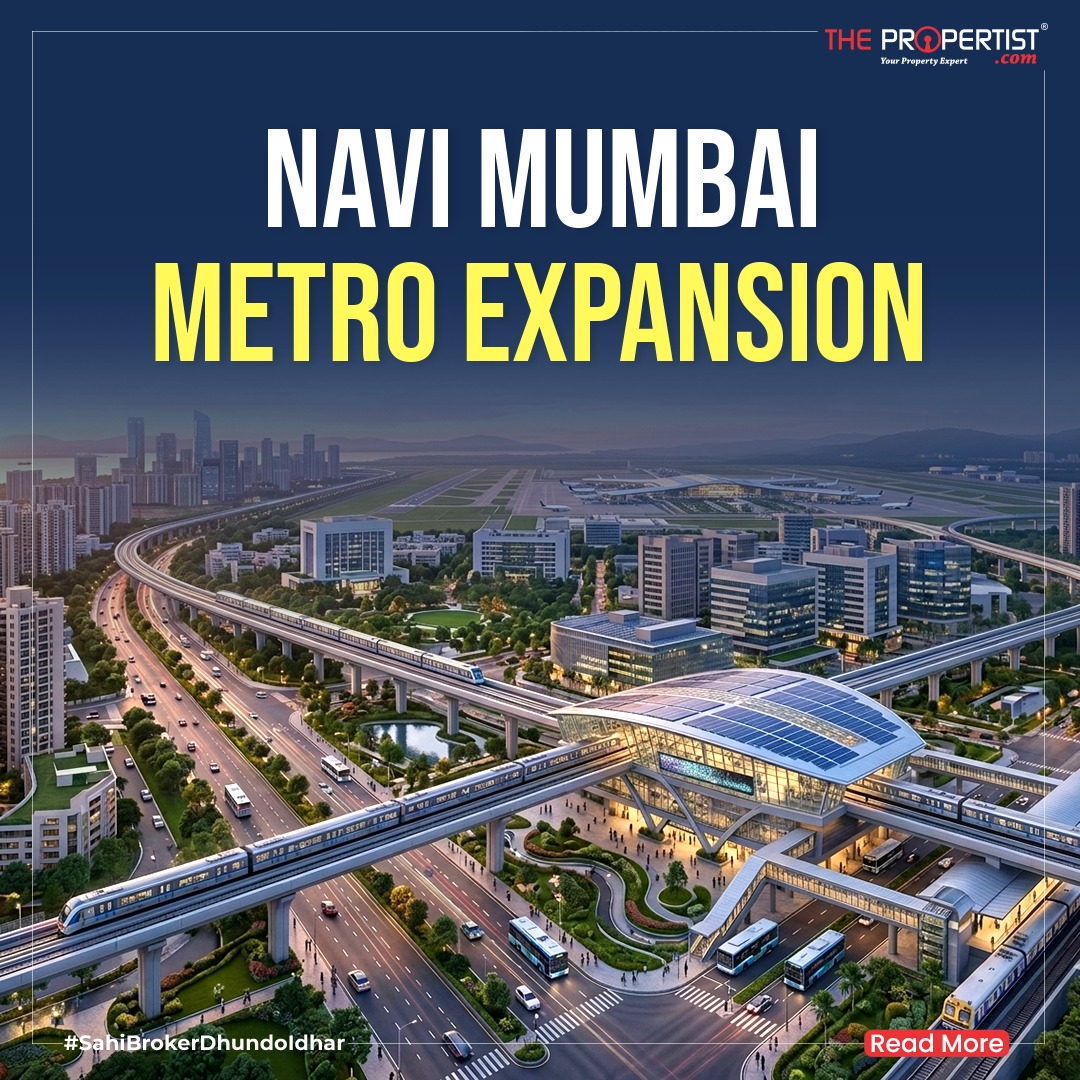
The expansion of Mumbai's metro network is expected to be one of the biggest long-term growth drivers for Kurla. The upcoming Metro Line 2B (DN Nagar–BKC–Kurla–Mankhurd) will provide direct rapid transit connectivity between the western suburbs, Bandra Kurla Complex (BKC), Kurla, and the eastern suburbs. Once operational, it is expected to significantly reduce travel times while improving connectivity to some of Mumbai's largest commercial districts.
In addition, Metro Line 3 (Aarey JVLR–BKC–Cuffe Parade) has already strengthened regional connectivity by providing faster access to BKC and south Mumbai. Although Metro Line 3 does not directly pass through Kurla, residents can benefit from improved access through nearby interchanges and shorter road connections to BKC.
As Mumbai's metro network becomes increasingly interconnected, neighbourhoods located close to major transit corridors are expected to witness stronger residential demand, healthier rental markets, and improved long-term capital appreciation.
2. Mumbai–Ahmedabad Bullet Train Project
Another significant catalyst is the Mumbai–Ahmedabad High-Speed Rail Corridor, India's first bullet train project. Its Mumbai terminal is being developed at Bandra Kurla Complex (BKC), where it will integrate with metro, suburban rail, and road networks to create one of the city's largest multi-modal transport hubs.
As BKC continues to expand as both a commercial and transportation centre, nearby residential markets such as Kurla are expected to benefit from increasing employment opportunities, business activity, and housing demand. While the project's impact on property prices is likely to be gradual, large-scale transport infrastructure has historically supported sustained real estate appreciation in surrounding micro-markets over the long term.
3. Road Infrastructure Upgrades
Road connectivity has long been one of Kurla's biggest strengths, and several infrastructure improvements continue to enhance accessibility. Projects such as the Santacruz–Chembur Link Road (SCLR), improvements to the BKC Connector, and better access to the Eastern Express Highway have reduced travel times between Kurla, BKC, the western suburbs, and Navi Mumbai. Together with the metro network, these upgrades are improving overall mobility and making Kurla an increasingly attractive residential destination for professionals working across multiple business districts.
Challenges Investors Should Consider
While Kurla offers compelling long-term growth potential, investors should evaluate opportunities with a balanced perspective.
Some of the key challenges include:
• Traffic congestion during peak hours on major arterial roads.
• High population density in older parts of the locality.
• Pressure on civic infrastructure as redevelopment accelerates.
• Redevelopment execution risks, including project delays and regulatory approvals.
• Localised flooding in certain low-lying pockets during periods of intense rainfall.
It's also important to recognise that not every part of Kurla is likely to appreciate at the same pace. Micro-location selection remains critical. Residential projects located close to transit corridors, redevelopment clusters, established commercial centres, and BKC-facing roads are generally better positioned to benefit from future infrastructure-led growth.
Investment Outlook for 2026 and Beyond
Kurla's investment story is increasingly supported by measurable urban development rather than speculation alone.
Several structural factors continue to strengthen its long-term outlook:
• Strategic central location within Mumbai.
• Proximity to Bandra Kurla Complex (BKC).
• Expanding metro connectivity.
• Ongoing redevelopment across multiple neighbourhoods.
• Growing commercial and employment ecosystem.
• Strong and consistent rental demand.
• Continued investment in transport infrastructure.
Unlike many mature residential markets where prices have already reached premium levels, Kurla still offers comparatively accessible entry points while benefiting from many of the same economic drivers. Although investors should not expect rapid short-term appreciation, the locality appears well positioned for steady, long-term value creation as redevelopment progresses and connectivity continues to improve. For buyers with a medium- to long-term investment horizon, Kurla presents an attractive combination of accessibility, affordability, rental potential, and future growth.
Is Kurla Still a Good Investment in 2026?
The answer depends on investment objectives.
For end-users, Kurla offers the advantage of living in a centrally located neighbourhood with convenient access to multiple business districts, educational institutions, hospitals, retail destinations, and public transport.
For investors, the opportunity lies in identifying micro-markets where redevelopment, infrastructure improvements, and commercial expansion are likely to drive future appreciation.
Neighbourhoods that combine strong connectivity, redevelopment potential, and proximity to employment centres are expected to remain among the strongest performers over the coming years. As always, project quality, developer reputation, pricing, and exact location should remain the primary factors guiding any investment decision.
Conclusion
Kurla is steadily evolving from a transit-centric suburb into one of Mumbai's most strategically positioned real estate micro-markets. Its transformation is being driven by the convergence of multiple long-term growth factors, including redevelopment, expanding metro connectivity, proximity to BKC, improving road infrastructure, and sustained commercial expansion. Together, these developments are reshaping both the locality's image and its investment potential.
Among the various residential pockets, Nehru Nagar, Kurla West (LBS Marg Corridor), Vinoba Bhave Nagar, the Phoenix Marketcity belt, and SG Barve Marg are attracting growing interest because of their connectivity, redevelopment opportunities, and strong rental demand. While challenges such as congestion and redevelopment risks remain, Kurla's central location and infrastructure-led transformation position it as one of Mumbai's most promising long-term real estate markets.
For homebuyers seeking better value close to established business districts—and for investors looking beyond already saturated premium markets—Kurla offers a compelling mix of accessibility, affordability, and future growth potential. As Mumbai continues to expand through infrastructure-led development, Kurla is well placed to play an increasingly important role in the city's next phase of real estate growth.
1. Is Kurla a good area for real estate investment in 2026?
Yes. Kurla has emerged as one of Mumbai's most promising real estate micro-markets due to its central location, proximity to Bandra Kurla Complex (BKC), ongoing redevelopment, expanding metro network, and improving road infrastructure. While returns will depend on the specific project and location, Kurla offers strong long-term investment potential supported by multiple infrastructure and employment drivers.
2. Which are the best micro-markets in Kurla for property investment?
Among the most promising residential pockets are Nehru Nagar (Kurla East), Kurla West (LBS Marg Corridor), the Phoenix Marketcity belt, Vinoba Bhave Nagar, and SG Barve Marg. Each micro-market offers different advantages—Nehru Nagar and Vinoba Bhave Nagar are benefiting from redevelopment, while Kurla West and the Phoenix Marketcity belt enjoy stronger commercial activity, better connectivity, and healthy rental demand. Buyers should evaluate factors such as project quality, developer reputation, and proximity to transport and employment hubs before investing.
3. What is driving Kurla's real estate growth?
Kurla's growth is being fuelled by a combination of infrastructure development and its strategic location. Key drivers include its proximity to BKC, redevelopment across several residential pockets, the expansion of Mumbai's metro network, improved road connectivity, the upcoming Mumbai–Ahmedabad Bullet Train terminal at BKC, and strong rental demand from professionals working in nearby business districts.
4. How will Metro connectivity impact Kurla's property market?
Metro connectivity is expected to be one of the biggest long-term growth catalysts for Kurla. The upcoming Metro Line 2B will directly connect Kurla with BKC, the western suburbs, and the eastern suburbs, while nearby Metro Line 3 improves access to south Mumbai. Better public transport typically supports higher residential demand, stronger rental markets, and improved long-term property values.
5. What is the average property price in Kurla in 2026?
Property prices vary depending on the micro-market, project, and amenities. As of 2026, residential prices in Kurla generally range between ₹18,000 and ₹35,000 per sq ft. Premium developments near Phoenix Marketcity and BKC-facing corridors are usually priced at the higher end of the range, while redevelopment-led locations continue to offer more affordable entry points.
6. Is Kurla East better than Kurla West for investment?
Both locations have their own strengths. Kurla East is known for redevelopment opportunities and comparatively lower entry prices, making it attractive for long-term capital appreciation. Kurla West, particularly around the LBS Marg corridor and Phoenix Marketcity, offers a more established residential environment, stronger commercial activity, and healthy rental demand. The better option depends on your investment goals and budget.
7. Is Kurla a good location for rental income?
Yes. Kurla has become a strong rental market because of its proximity to major employment centres such as BKC, Powai, Andheri, Lower Parel, and Vikhroli. Its central location and improving connectivity continue to attract working professionals, supporting healthy rental demand and occupancy levels.
8. What are the biggest risks of investing in Kurla?
Like any growing micro-market, Kurla has certain challenges. These include traffic congestion during peak hours, high population density in older neighbourhoods, redevelopment execution risks, pressure on civic infrastructure, and localised flooding in some low-lying areas during the monsoon. Choosing the right micro-location and investing with a reputed developer are important factors in managing these risks.
9. How will the Mumbai–Ahmedabad Bullet Train project benefit Kurla?
The Mumbai terminal of the Mumbai–Ahmedabad High-Speed Rail Corridor is being developed at BKC, just a few kilometres from Kurla. As BKC grows into an even larger commercial and transportation hub, nearby residential markets like Kurla are expected to benefit from increased employment, business activity, and housing demand over the long term.
10. Are property prices in Kurla still expected to rise?
While the pace of appreciation will depend on overall market conditions, Kurla's long-term outlook remains positive. Redevelopment, expanding metro connectivity, infrastructure upgrades, and sustained commercial growth around BKC are expected to continue supporting residential demand and gradual property price appreciation over the coming years.
Previous Article
Home
Next Article


New Here? Create Account